In 2020, I sold off my residential portfolio and pivoted into commercial real estate.
I was done with flips, tired of patchy rehabs, and ready to play bigger.
But I kept one strategy in my back pocket—a quiet killer: urban infill new construction in Chicago's transitional neighborhoods.
We target teardown or vacant lots in places like Bronzeville and Canaryville—neighborhoods with real growth, not hype.
The formula is simple: buy cheap, build clean, sell strong.
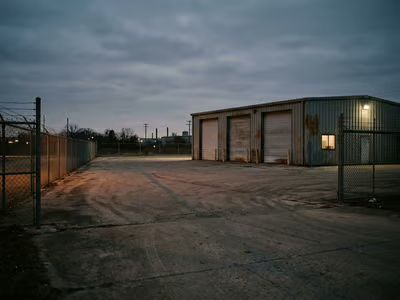
I sold this
Why Commercial Works
The contrast with traditional fix-and-flip is stark. Where fix-and-flip brings chaos, this approach offers calm.
Commercial real estate uses the same blueprint every time, eliminating surprises. City lots come with ready utilities, so there's no civil engineering circus to deal with. The quality of contractors is higher, meaning no more chasing unreliable workers like "Cousin Johnny."
Perhaps best of all, local banks understand and appreciate this model. Financing becomes a breeze rather than a burden.
Numbers Behind Success
Let's look at our latest project, a Bronzeville 3-flat:
- Lot: $125K
- Build: $525K
- Sale: $900K–$950K
- Gross profit: $200K–$250K (pre-carry)
You won't find a dramatic flip story here. There's no hero rehab narrative to tell.
What you get instead is clean math, sharp execution, and peace of mind—elements that matter far more than an entertaining before-and-after story.
The Trade-offs
Of course, there are downsides. The process is slow, typically taking 12+ months per deal. It also doesn't scale easily in the way other real estate strategies might.
But these limitations are precisely why the strategy continues to work. While others chase quick, flashy deals, we focus on steady returns.
Conclusion
In real estate, predictable beats popular. Every time.
What's your quietest, most reliable play?
Consider where you might find similar opportunities in your market—the ones others overlook because they lack flash but deliver consistent returns.
Sometimes the most powerful strategies are the ones nobody's talking about.